blockchain
Smart contracts, protocol work and the wallets people actually hold money in, all of it on the Koinos chain: what the platform made easy, and what it made hard.
8 posts
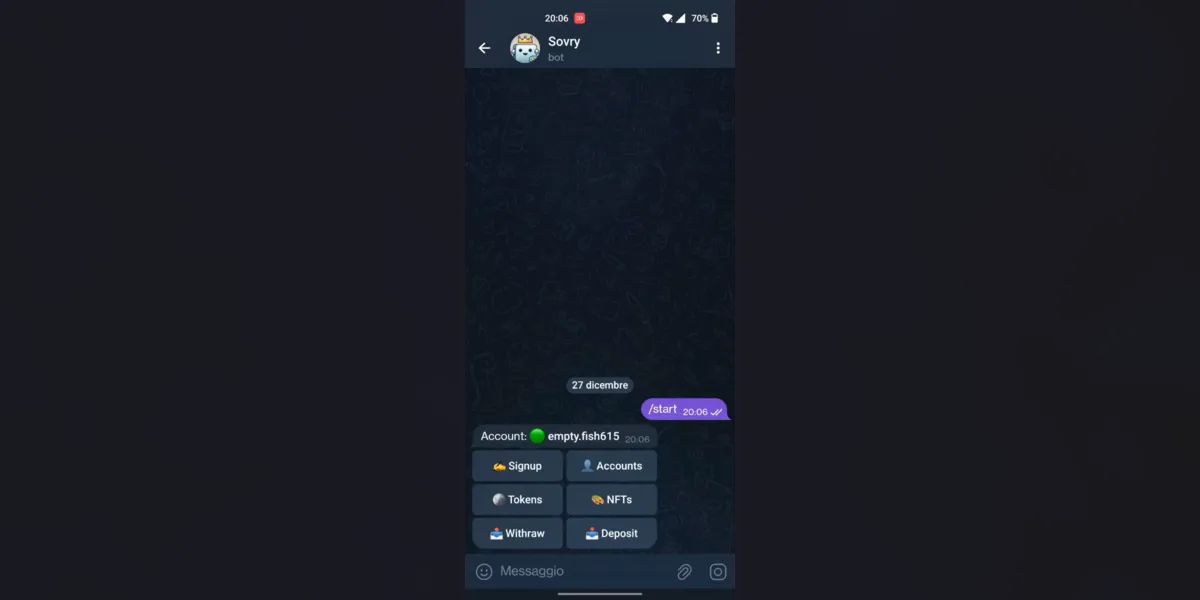
A wallet inside a chat app that holds no keys
Putting a self-custody wallet in Telegram means putting it somewhere that must never be allowed to sign anything. The way out was to stop treating the bot as a wallet and start treating it as a remote control.
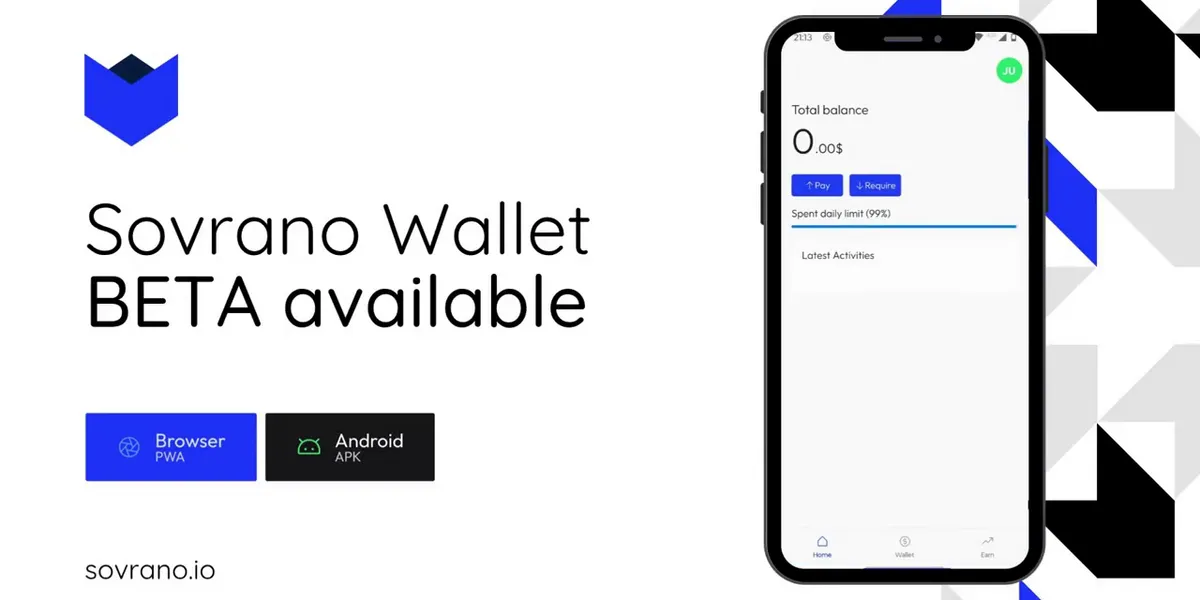
Sovrano: a self-custody wallet you open with a fingerprint
A wallet where creating a blockchain account means touching a fingerprint sensor or signing in with Google — no seed phrase, no extension, no tokens to buy first. Built on modular smart accounts, so the rules live in the account itself.
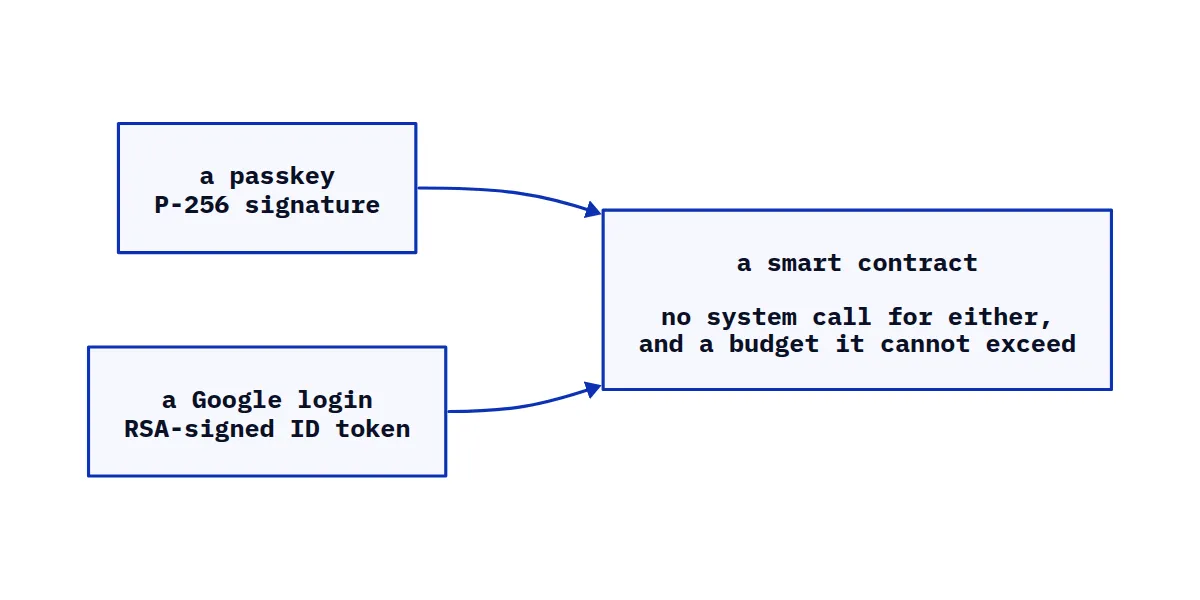
No system call for that: getting passkey and JWT signatures verified on chain
A smart contract that wants to accept a fingerprint or a Google login has to verify signature formats the blockchain knows nothing about. Writing that verification myself cost too much to run, so the answer turned out to be knowing where to look for code that already fits inside a constrained VM.
Veive: turning a blockchain account into something you can program
In 2024 I built a modular smart account protocol for the Koinos blockchain. The absence of the piece everyone else builds on turned out to produce a stronger authorization model than the one I was copying.
A prediction game with no fees, and the server that keeps time for it
A prediction game only works if a one-dollar bet is worth placing, which rules out any chain that charges fees. Koinos charges none — but it also has no oracle, so the clock and the price come from a server I wrote, and that server is the trust model.
A migration with no undo, and 2,000 users in three weeks
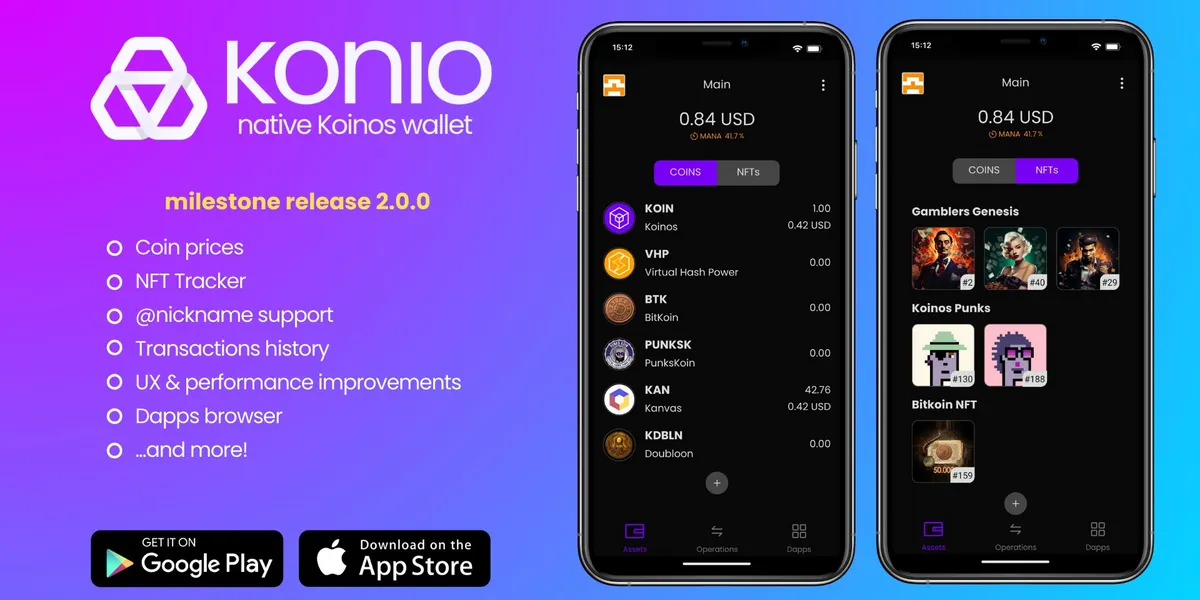
In late 2023 I rewrote the data model of a crypto wallet that was already installed on real phones, redesigned its interface, and ran a giveaway that took it past 2,000 active users in three weeks.
The blockchain that felt like web2, and the mobile wallet it was missing
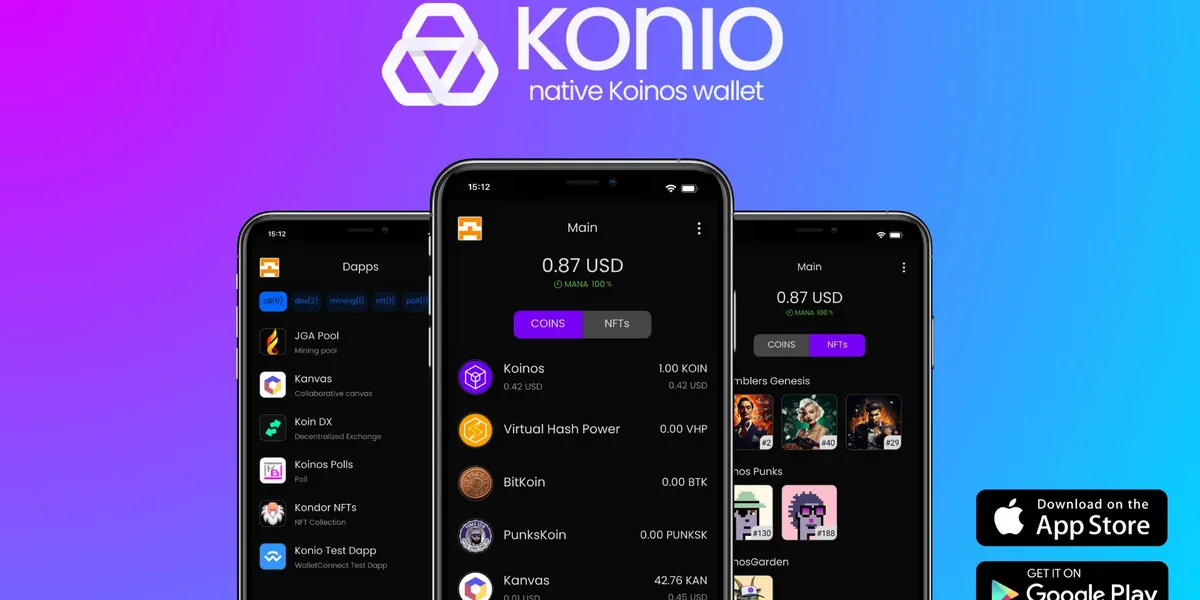
In 2023 I found a blockchain whose developer experience looked like ordinary web work, and no native mobile wallet for it. So I wrote one — and the hard part turned out to have nothing to do with cryptography.
I didn't want to trade crypto. I wanted to build on it.
In 2020 I bought crypto like everyone else. By the time I found DeFi, I realized what I actually wanted wasn't to trade it — it was to build on it, and Solidity's learning curve sent me looking for something else.